


AISI 304 Stainless Steel Sheet


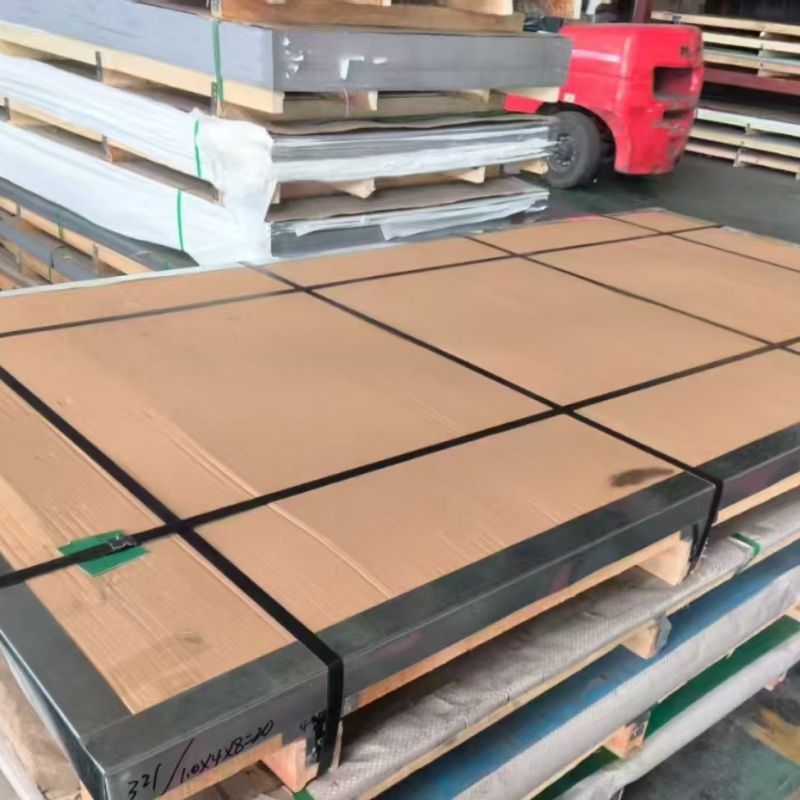
Chemical Properties
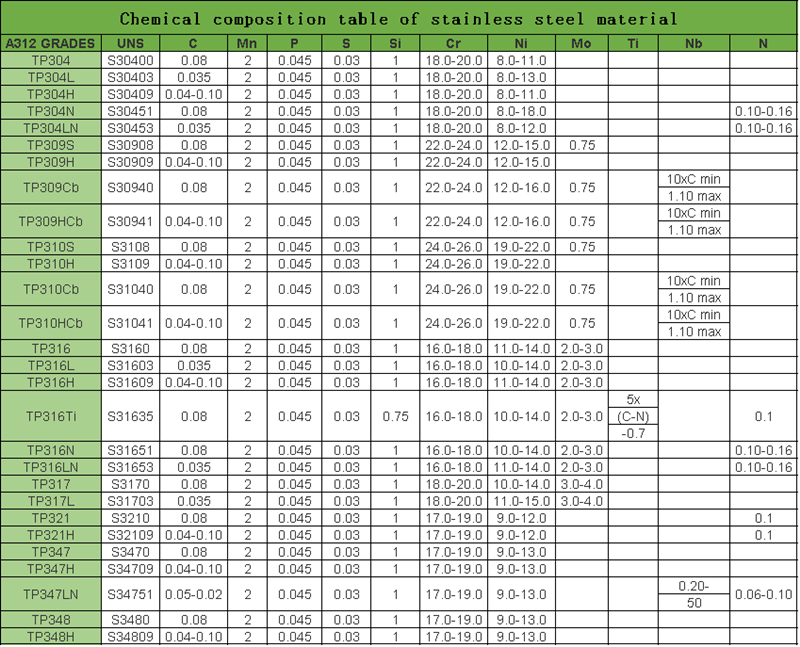
304 stainless steel plate is an austenitic stainless steel primarily composed of 18% chromium (Cr) and 8% nickel (Ni), offering excellent corrosion resistance, formability, and weldability. Its typical chemical composition includes:
Element Composition (%)
Chromium (Cr) 18.0 – 20.0
Nickel (Ni) 8.0 – 10.5
Carbon (C) ≤ 0.08
Manganese (Mn) ≤ 2.0
Silicon (Si) ≤ 1.0
Phosphorus (P) ≤ 0.045
Sulfur (S) ≤ 0.03
Iron (Fe) Balance
Applications
Due to its durability and resistance to oxidation, 304 stainless steel plate is widely used in:
Food & Beverage Industry (processing tanks, conveyor belts)
Chemical & Pharmaceutical Equipment (storage tanks, reactors)
Architecture & Construction (elevator panels, cladding)
Medical & Laboratory Equipment (sterilization trays, surgical tools)
Automotive & Aerospace (structural components, exhaust systems)
Household & Kitchenware (countertops, sinks)
Specifications
304 stainless steel plates are available in various sizes, thicknesses, and surface finishes:
Thickness Range: 0.1mm to 100mm (common industrial thickness: 0.5mm – 50mm)
Width: 1000mm, 1219mm, 1500mm (standard), or custom sizes
Length: 2000mm, 2438mm, 3000mm, or custom lengths
Surface Finishes:
2B: Smooth, slightly reflective (most common)
BA (Bright Annealed): Highly reflective, mirror-like
No. 4 (Brushed): Matte finish with visible grain lines
No. 8 (Mirror): Polished to a high gloss
Common Standards:
ASTM A240 (Standard specification for chromium and chromium-nickel stainless steel plate)
EN 1.4301 (European equivalent of 304)
JIS SUS304 (Japanese standard)
GB/T 3280 (Chinese standard)
304 stainless steel plate is widely preferred for its cost-effectiveness, corrosion resistance, and versatility in industrial and commercial applications.
Related products
-
AISI TP304 Stainless Steel Sheet & Plate
AISI TP304 Stainless Steel Sheet & Plate Stainless steel sheet & plate AISI TP304 Stainless Steel Sheet is often referred to as corrosion-resistant steel since it does not stain, corrode or rust as easily as regular carbon steel. Stainless steel sheet & plate is the perfect is the perfect solution for applications that require the metal to have anti-oxidation qualities. Stainless Steel coil products: stainless steel coil tube stainless steel tube coil stainless steel coil...
-
AISI 304 Series Steel Sheet Stainless Steel Plate
Stainless steel sheet Thickness: 10mm-100mm & 0.3mm-2mm Width: 1.2m, 1.5m or as per request Technique: Cold rolled or hot rolled Surface treatment: Polished or as requirement Application: Steel sheet applies to construction field, ships building industry, petroleum& chemical industries, war and electricity industries, food processing and boiler heat exchanger machinery and hardware fields etc. Quality standard: GB 3274-2007 or equivalent to ASTM/JIS/DIN/BS etc Steel grade: 200, 300...
-
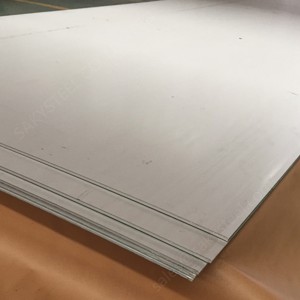
JIS 4304 SUS304 Stainless Steel Sheet & Plate
JIS 4304 SUS321 Stainless Steel Sheet & Plate Stainless steel sheet & plate is often referred to as corrosion-resistant steel since it does not stain, corrode or rust as easily as regular carbon steel. Stainless steel sheet & plate is the perfect is the perfect solution for applications that require the metal to have anti-oxidation qualities. Stainless Steel coil products: stainless steel coil tube stainless steel tube coil stainless steel coil tubing stainless steel coil pipe st...
-
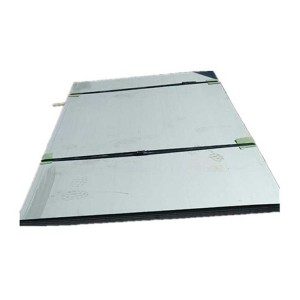
ASTM 304 2B Stainless Steel Sheet & Plate
ASTM 304 2B Stainless Steel Sheet & Plate Liao cheng si he Stainless steel material LTD can offer Stainless steel sheet & plate ASTM 304 2B Stainless Steel Sheet is often referred to as corrosion-resistant steel since it does not stain, corrode or rust as easily as regular carbon steel. Stainless steel sheet & plate is the perfect is the perfect solution for applications that require the metal to have anti-oxidation qualities. Stainless Steel Sheet & Plate Applications...
-
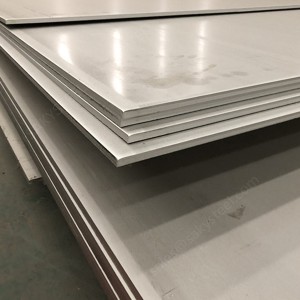
ASTM A240 304 Stainless Steel Sheet & Plate
ASTM A240 304 Stainless Steel Sheet & Plate Stainless steel sheet & plate is often referred to as corrosion-resistant steel since it does not stain, corrode or rust as easily as regular carbon steel. Stainless steel sheet & plate is the perfect is the perfect solution for applications that require the metal to have anti-oxidation qualities. We offer various thickness of ASTM A240 Type 304 Embossing sheet, 304 Etching SS sheet, SS 304 Diamond Sheet, 304 Design Sheet, 304 checkered...
-
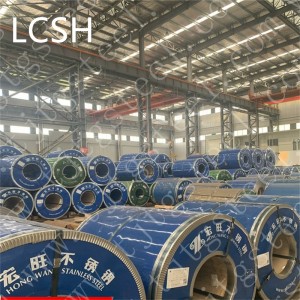
Stainless Steel Sheet and Coil – Type 304...
Stainless Steel Sheet and Coil – Type 304 Product Stainless steel sheet & plate is often referred to as corrosion-resistant steel since it does not stain, corrode or rust as easily as regular carbon steel. Stainless steel sheet & plate is the perfect is the perfect solution for applications that require the metal to have anti-oxidation qualities. Grade Summary: Excellent mechanical properties, resistance to many corrosive agents. Useful where sanitation and cleanliness are impor...


